

University Honors Program

At Suffolk, high-achieving students are inspired by a vibrant academic community that sparks the intellect and fosters a sense of belonging. We’ve designed Suffolk’s Honors Program to provide all that and more.

As an honors student, you’ll have your choice of enriching cross-curricular opportunities throughout your undergraduate education. Each honors-level course is a lively academic conversation with dedicated professors and classmates who are just as excited to share insights as you are. And because you’ll learn alongside and collaborate with peers from other academic departments, you’ll gain fresh perspectives in every class.

Plus, you’ll enjoy exclusive factors like priority course registration, honors-only experiences in the classroom and around the city, and that feeling when you’re a valued member of an encouraging, supportive community of peers.

Gain an edge with special opportunities to:

  • Share ideas with your fellow honors students across academic majors
  • Access honors-only programs, events, travel experiences, and gathering spaces
  • Network with and learn from faculty, alumni, employers, and peers at an enhanced level
  • Research the academic interests you’re passionate about
  • Present your findings at national and regional honors conferences
  • Stretch your academic and professional wings, thanks to an entire program dedicated to amplifying your success in the classroom and the workplace

Email us to learn more


Living Learning Communities

Two students sit at a table and work collaboratively togetherWe cordially invite you to experience our amazing on-campus Honors Living Learning Community. The fun never stops when your friends and neighbors have a wide range of majors and interests.

You won’t just bond with your fellow honors students over academics—although you’ll do plenty of that! You’ll enjoy exclusive access to special events and activities in your residence hall and around Boston.

Best of all, you’ll get to call this welcoming community home.


Learn more about our unique Living Learning Communities


Program Pathways

In the Honors Program, what you discover in our academically rigorous school-specific pathways will be complemented by what you’ll learn from your peers across majors.


CAS Honors Pathways

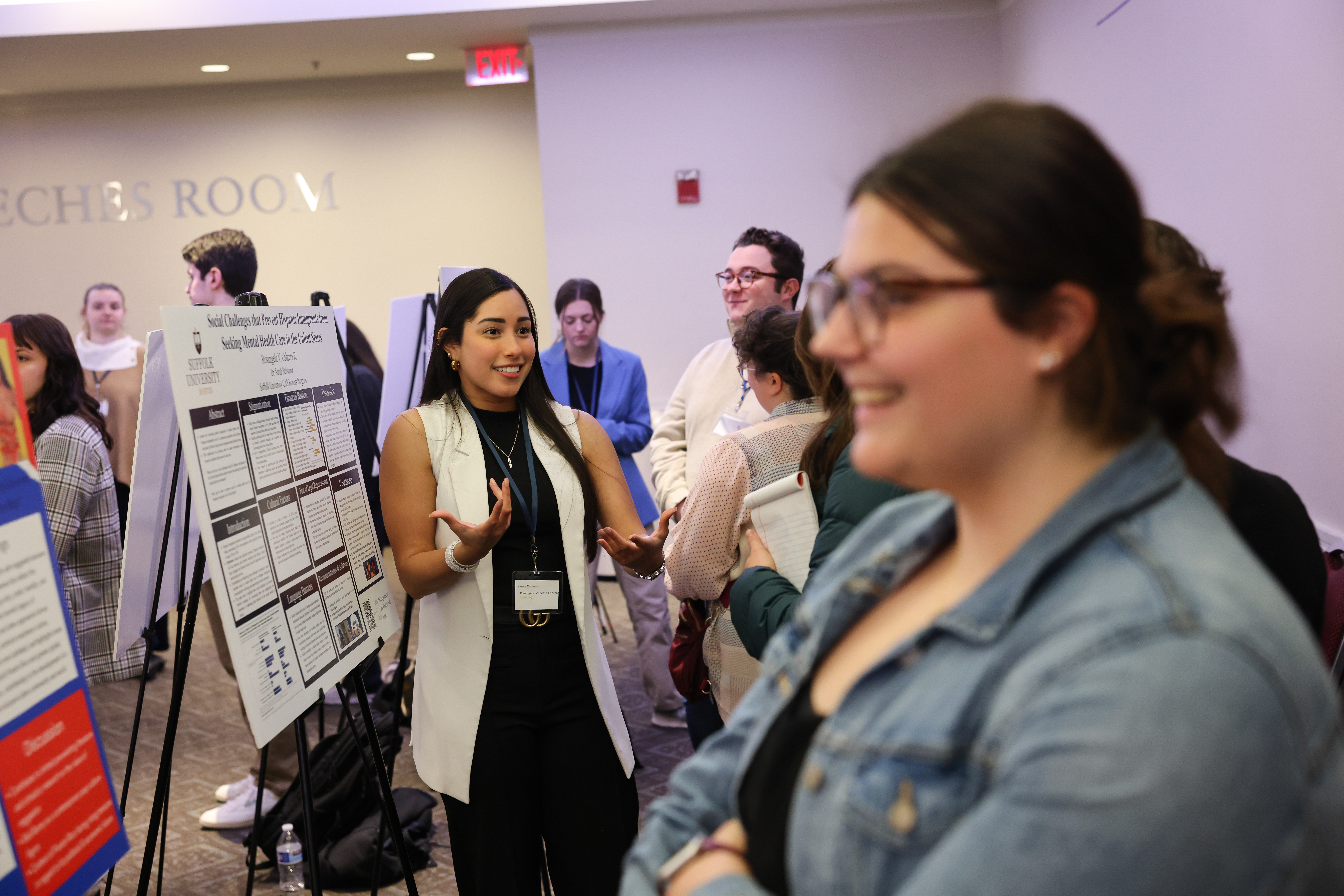
CAS Honors students at a symposium on campus.

The Honors Community Scholars Program encompasses, but is not limited to, the first two years of the curriculum. If desired, you can then apply for the highly selective Honors in the Major Program. If accepted, you will have the chance to solve interdisciplinary real-world problems in your junior year and complete an honors thesis or capstone project as a senior.
Explore CAS Curriculum

SBS Honors Pathway

A student in business attire gives a presentation.

No matter which business major you declare, you’ll learn to tackle real-world problems through specialized honors coursework, collaborate with executives on case studies, strategize with peers on cohort-based experiences, and complete a capstone project applicable to your field of study. Opportunities for leadership and innovation await!
Explore SBS Curriculum


Dean Sharon Lenzie

Honors Program Leadership


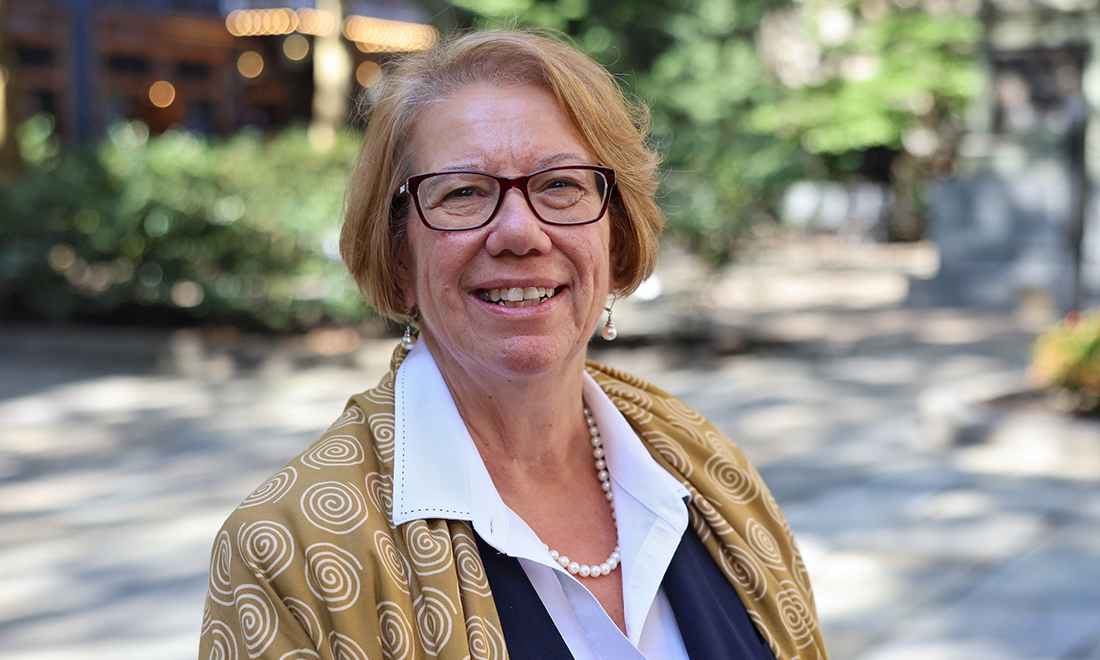
Sharon Lenzie
Director, University Honors Program

The Honors Program’s inaugural director brings years of visionary leadership to her new role. She is known for her ability to create a welcoming academic environment and strong culture of mentorship and achievement for honors students.


Our Students

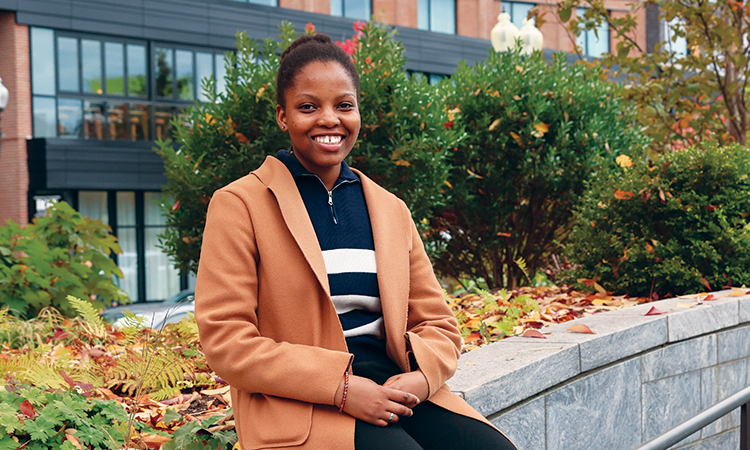
Suffolk Honors student Irene Kirabo, Law Major/Philosophy Minor, Class of 2025

If I need a place to do my homework in peace, I go to the Honors room. I love that place. Dean Lenzie and her staff, we're always chatting and laughing. I'm thinking about applying to Suffolk's 3+3 Bachelor's/JD Program, and they answer a lot of my questions.


Irene Kirabo
BA in Law /Philosophy, '25

Suffolk Honors student Carter McPherson, Management Major/Business Law Minor, Class of 2025

The classes here are small, which I love because it turns them into discussions. The professors talk with you, not at you. You're learning about things from other people and bringing in shared experience. You make that connection. I have four or five professors I still talk to regularly, despite not having had their class for a year, two years, three years.

Carter McPherson
BSBS in Management/Business Law Minor, '25