


Helping Students in Distress
Faculty/Staff Guide
Faculty and staff are on the “frontlines” and will often be in the position of recognizing a student in distress and helping them to access our services.
Signs of Student Distress
- Changes in academic performance - attendance, class participation, procrastination, poor quality work, difficulty concentrating.
- Noticeable changes in appearance - hygiene, weight loss, weight gain.
- Shifts in behavior - social withdrawal, hyperactivity, fatigue, irritability, aggressiveness.
- Shifts in mood - apathy, anxiety, sadness, hopelessness, grief, anger, over-excitement, irritability.
- Thought processes that seem bizarre, paranoid, racing, or delusional
Step 1: Talk to students about your concerns
Acknowledging a student's distress is the first step. Find a private place and share with the student what you have observed about them behaviorally. Behaviorally describe what you see with curiosity and avoid judgement or interpreting their behavior. (“I have noticed you are falling asleep in class and coming to class late for the past two weeks. I am concerned about you,” versus “You seem like you just don’t care about this class. You fall asleep, you come late.”). Explain that you are concerned about their well-being and that university support and resources are available.
When talking to students, also consider the following:
- Privacy: Talk to students in private when both of you have time and are not preoccupied
- Honesty: Share what you observe about a student without judging their experience.
- Limits: It is not your role or responsibility to counsel students on personal or health matters but you can help them get the support they need.
- Suggest help-seeking: Suggest that a student seek help instead of ordering them to do so.
- Reassure them that seeking help is a sign of strength.
Step 2: Refer the student (non-emergency)
- Inform the student about CHW Counseling and suggest that the student seek assistance.
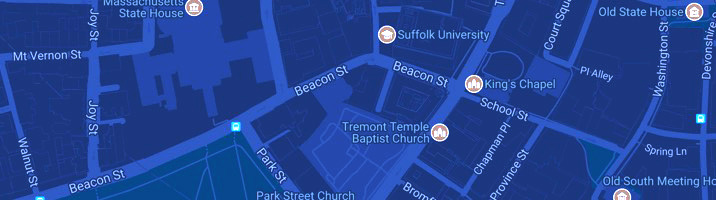
- Inform the student that CHW Counseling has in-person crisis counseling available M-F, 11AM-4PM and after-hours via telehealth at 617-573-8226. If helpful and during regular business hours, walk the student to Counseling, Health, & Wellness Services - 73 Tremont St, 5th floor or assist them in calling CHW Counseling at 617-573-8226.
Sometimes students refuse to see a counselor and if nobody is in any immediate danger, this is their right. In such cases, faculty and staff can submit a CARE Report and a member of the CARE Team in Student Affairs will reach-out to the student. Continue to check-in with the student and re-refer when necessary.
CHW counseling staff are available to consult with faculty and staff about how to refer students of concern. However, CHW staff are unable to disclose whether or not a student has received services without the student’s consent. Staff can provide consultation regarding best practices in referral and how to help a student get connected with available resources.
What to do in an Emergency
Mental health emergencies include:
- If a student exhibits psychotic symptoms (bizarre behavior, paranoia, delusions, hallucinations)
- If a student verbally, physically or in writing indicates or insinuates intent to harm self and/or others; including statement(s) about suicide or violence threats
- If a student says they have been sexually assaulted
- If a student has made a suicide attempt
Steps for Mental Health Emergencies
- Do not leave the student alone.
- Consider if there is another faculty or staff member who can assist you with the student or assist in the classroom or office while you address the emergency.
- Do not promise confidentiality. It is important for the student to know that you are involving professionals who can help (even if the student does not feel that is possible). Only share information about the incident with people who absolutely need to know.
- If the situation is life-threatening, call SUPD (617-573-8111), 911, and/or local mobile crisis options such as Boston B.E.S.T Program (Boston locations call 800-981-4357). More crisis resources here.
- Students can be walked to CHW anytime during business hours for emergency assistance. Calling ahead to let us know you are coming is helpful, when possible. It may be helpful for you to share via phone or when you arrive the reasons for your concern about the student with counseling staff.
- After business hours, students may call CHW at 617-573-8226 to access crisis telehealth support, or emergency resources may be utilized to address life-threatening concerns. Helpful Resources:
- Dean of Students/CARE Team. CAS/SBS Students: 617-573-8239.
- Law Students Dean of Students Office: 617-573-8157.
- The Law School Dean of Students can be contacted via Suffolk Police after hours for emergencies.
For Parents- How to Support Your Ram
University is a time of change and growth and while this process can be exciting, it can also be stressful and confusing. As your student adjusts to university life, they may struggle with increased independence and responsibility, developing new relationships, and exploring their values and identities. These challenges can be stressful and make your student feel anxious, depressed, and confused.
Fortunately, CHW has worked with thousands of students over the years and knows how to support university students. CHW provides health care and short-term counseling. If your student needs longer-term counseling, CHW will provide appropriate referrals. Understandably, sometimes parents have questions about how their students are doing and if they have connected to services.
However, please know that our services are confidential by law.
Here are some FAQ’s:
How to Support your Ram
I am concerned that my student is having a problem. What should I do?
If you are concerned about immediate safety for your student, please call 911 (for off campus students) or Suffolk University Police Department at (617) 573-8111 (on-campus students). Additional non-police emergency mental health resource options can be found here.
To discuss your student’s needs in non-emergency situations, families can also contact the Dean of Students Office to discuss your concerns and identify ways the CARE team can help
What do you mean by short-term counseling?
Our main goal is to help students access the care they require as quickly as possible. In the first session, our counselor will conduct an evaluation and work with your student to determine their treatment needs. Most students are seen for about 4 sessions. When students need longer-term or more specialized care, we will help them connect with the right services off-campus. We also offer a range of therapy groups, workshops, and self-help program, which students have unlimited access to. We also provide access to crisis counseling services available 24/7, which can be accessed by calling our phone number, 617-573-8226.
My student had been taking psychiatric medication. Can they continue their psychiatric care at CHW?
In most cases, yes. Your student should make an appointment at CHW and meet with our counseling team. They will discuss their particular needs and help them access the care that they need.
Do you have any general suggestions for how we can cope with this transition?
Here’s an excellent article that might speak to some of your thoughts and feelings and offer some useful information: “So Your Child IS Going Off to College…”