


Referral Information for Faculty, Staff & Families
Frequently Asked Questions
When should I refer a student to counseling?
A good rule of thumb is to trust your gut regarding concerns that may need to be addressed in counseling. It is never harmful to make a referral for counseling, even if someone is not ready to pursue it. The following are some signs that a student may benefit from counseling:
- Changes in academic performance – attendance, participation, difficulty concentrating, incomplete work or a significant decrease in the quality of work over time
- Shifts in mood – sadness, hopelessness, apathy, anxiety, low motivation, anger or irritability, over-excitement
- Shift in behavior (e.g. changes in sleeping or eating habits, social withdrawal, fatigue, aggressiveness, over-involvement with others, increased drug or alcohol use, hyperactivity, etc.)
- Shifts in appearance (e.g. decreased hygiene, significant weight loss or gain, etc.)
- Thought processes seem bizarre, paranoid, confused, racing, or delusional
- Disclosure of suicidal thoughts/behaviors; any report of suicidal thoughts or behaviors warrants a referral to counseling.
What if the student seems reluctant about counseling or refuses to go to CHW?
Students may experience a number of reactions to a referral for counseling, including not following through with a referral. Some students may also not feel comfortable initiating counseling. Asking students about their concerns and providing information is one way to help them feel more comfortable pursuing counseling. Students may also wish to review CHW’s webpage for more information.
How much does it cost to see a counselor?
CHW counseling services are free for all enrolled students.
Does the CHW prescribe medication to students?
Some students fear being required to take medication. CHW offers access to our Psychiatric Nurse Practitioner for students working with a counselor, but medication is never required. If a counselor recommends a student consider medication, students have the right to decline before or after meeting with the Psychiatric Nurse Practitioner.
What will other students think of me if they know I've seen a counselor?
Students may fear that seeking counseling means they are “crazy” or will be viewed negatively by others. These fears arise from a variety of sources, including media representations of individuals with mental health concerns, family or cultural beliefs, prior negative experiences with mental health providers, or fears of others finding out. Addressing the nature of the concern and providing information about CHW’s confidentiality policies, multicultural approach to counseling, and information about the prevalence of counseling and success of mental health treatment can be helpful.
What is the multicultural competence of CHW counseling staff?
How can a student make an appointment with a CHW counselor?
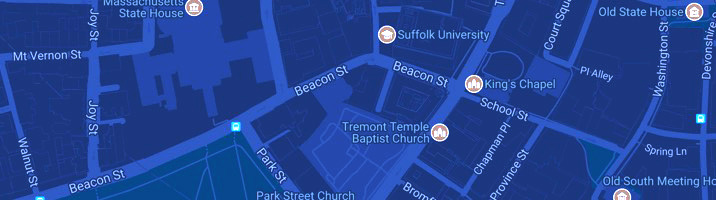
Students can schedule an initial appointment with a counselor by coming to CHW in person, (73 Tremont building, 5th Floor) or calling our office at 617-573-8226. Most often students are able to schedule an initial Intake appointment within a week.
Can a student be seen immediately or same-day?
Counseling staff are available for same day walk-in appointments at 10 a.m., 11 a.m., 12 p.m., and 1 p.m. on weekdays. Should an urgent need arise at another point during the workday, students can come to CHW in person to obtain assistance. Calling ahead if a student is walking into the CHW for a same-day appointment is appreciated, but not required.
What if a student needs to talk to a counselor after-hours or on weekends?
Students have access to counseling support via phone after-hours and when the office is closed. Students should call CHW at 617-573-8226 and follow the prompts to be connected with a licensed mental health counselor who can provide support, problem-solving, and coping strategies. In addition, CHW staff remain on-call year-round should a student report concerns about safety after-hours. CHW also provides year-round after-hours consultation and support to on-campus residential life staff regarding students of concern.
What should I do if I am concerned about the immediate safety of a student?
Immediate safety concerns arise when students disclose immediate threats, plans, or intentions to harm themselves or harm someone else. If you have concerns about the immediate safety of any individual, first responders can offer immediate, in-person response. For on-campus concerns, Suffolk University Police (SUPD) can be reached at 617-573-8111. For off-campus concerns, call 911 or instruct the student to go to the nearest local emergency room. CHW works collaboratively with SUPD and/or the local authorities to meet the needs of students experiencing a life-threatening mental health crisis.
Can I make an appointment for a student I'm concerned about?
CHW is unable to schedule appointments for a student without speaking to the student directly. Although requests to schedule an appointment for someone else are most often intended to ease the burden of asking for help, outcome research has shown that individuals are more invested and have better outcomes in therapy when they seek services of their own accord. To this end, we consult frequently with families and faculty/staff regarding how to talk with students about counseling in order to make a successful referral.
Will I be informed if a student comes to counseling or what the outcome was?
CHW maintains confidentiality practices in accordance with local and national laws. Our center is unable to confirm or deny if a student has come to CHW or what the outcome of a visit was without the express written permission of the student. Once we receive written permission from a student, we are able to consult with families, faculty, and staff, as needed, in the interest of assisting the student to achieve their academic and personal goals. Like all mental health professionals, exceptions to confidentiality occur when there is an immediate threat to the safety of a student, of another person, in cases of ongoing child or elder abuse, and in the event of a court subpoena.